
The Age of Short Attention Spans
Once upon a time, brands fought for attention with blog posts, glossy magazine ads, and long YouTube videos. Now, consumers scroll through content at lightning speed. You’ve got seconds – not minutes – to make an impression.
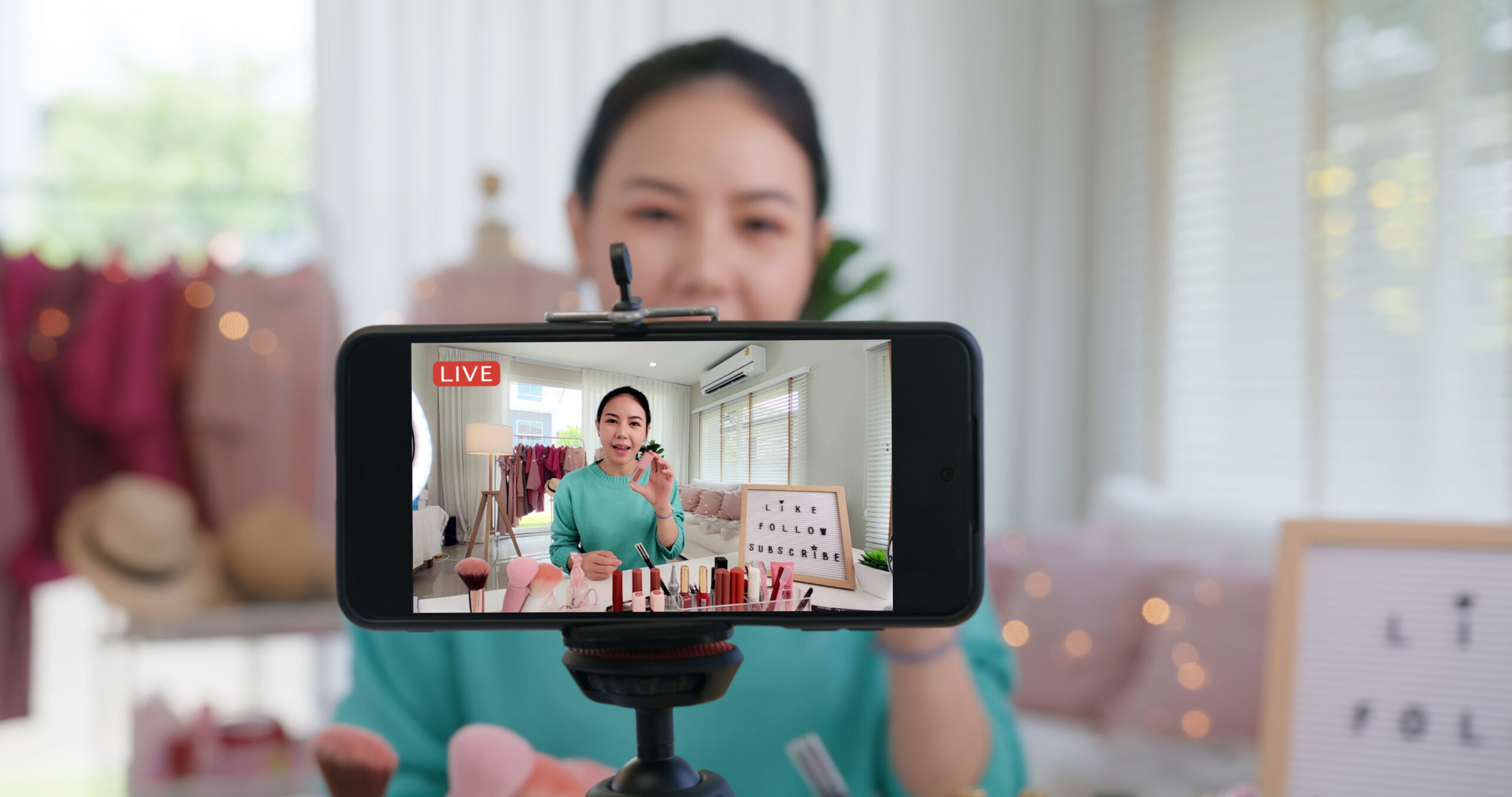
That’s where micro-content marketing comes in. Platforms like TikTok, Instagram Reels, and YouTube Shorts have changed the way we consume media. These short bursts of video, often 15 seconds or less, aren’t just entertainment. They’re becoming sales funnels in their own right.
In this blog, we’ll explore why micro-content is on the rise, how businesses can harness it to sell effectively, and what it means for the future of marketing.
What is Micro-Content?
Micro-content refers to short, easily digestible pieces of content designed for quick consumption. Think:
15-second TikToks showing how to style an outfit.
A 10-second Instagram Reel of a recipe hack.
A 30-second YouTube Short unboxing a product.
The goal is to grab attention fast and drive people to take the next step – whether that’s liking, following, clicking a link, or buying.
Unlike traditional long-form marketing, micro-content doesn’t aim to tell the whole story. Instead, it teases, inspires, and nudges the viewer further along the sales journey.
Why Micro-Content Works
Attention spans are shorter than ever
Research suggests people now have an average online attention span of just 8 seconds. That means you’ve got a tiny window to hook your audience before they scroll on.
It feels authentic
Short-form content often looks less polished and more human. Audiences trust it more than big-budget ads because it feels like a friend recommending something, not a corporation selling.
Algorithms love it
TikTok, Instagram, and YouTube heavily promote short videos, giving even small accounts the chance to go viral. A single 15-second clip could reach thousands – even millions – without ad spend.
It drives action quickly
Because micro-content is bite-sized, it creates immediate emotional responses. Curiosity, excitement, laughter – all of which can spark instant clicks or purchases.
Micro-Content as a Sales Funnel
Traditionally, a sales funnel has stages: awareness → interest → decision → action. With micro-content marketing, these steps are compressed. A 15-second video can create awareness, build interest, and trigger action all at once.
Here’s how:
Awareness: A trending sound or hook grabs attention.
Interest: A quick demo or benefit highlights why the product matters.
Decision: A short testimonial or before-and-after effect builds trust.
Action: A clear call-to-action (CTA) pushes the viewer to click the link, buy now, or follow for more.
In essence, each video can act as a mini funnel, guiding the audience from discovery to conversion in seconds.
TikTok: The Pioneer of Micro-Content Sales
TikTok is the platform that made micro-content mainstream. Its algorithm thrives on discovery, meaning you don’t need a massive following to get views.
Why TikTok works for selling:
The “For You Page” pushes content to users who are likely to engage.
TikTok Shop integrates e-commerce directly into the app.
Trends and challenges create easy opportunities for brand visibility.
Example:
A skincare brand can post a 12-second video showing a dramatic before-and-after. Paired with a trending song, it feels natural, not like an ad – yet it can drive thousands of product sales in minutes.
Instagram Reels: Blending Community and Commerce
Instagram may have started with photos, but Reels is now one of its biggest features. For businesses already building a community on Instagram, Reels is a natural extension.
Why Reels is powerful:
Instagram integrates shopping tags within videos.
Reels are shown beyond your followers, reaching new audiences.
Brands can combine Reels with Stories, Lives, and posts for a full ecosystem.
Example:
A clothing brand can release a 15-second Reel showing three ways to style one dress. Each outfit change is quick, fun, and linked directly to the shop feature.
YouTube Shorts: Long-Form Meets Short-Form
YouTube has always been the king of long-form content, but Shorts has opened a new door. Creators can use Shorts to tease longer videos or to sell products directly with affiliate links.
Why Shorts matters:
It taps into YouTube’s massive search-driven ecosystem.
It complements long-form content, helping creators funnel viewers.
Shorts can appear on Google searches, boosting discoverability.
Example:
A fitness trainer could post a 20-second Shorts workout tip, then direct viewers to a full paid programme or longer YouTube video.
Strategies to Make Micro-Content Sell
Creating micro-content isn’t just about being quick – it’s about being strategic. Here are some proven tips:
1. Start with a Hook
The first 3 seconds matter most. Use questions, bold statements, or visual surprises.
Example: “Stop wasting money on skincare that doesn’t work – try this instead!”
2. Show, Don’t Tell
Demonstrations beat explanations. Show the product in action.
3. Use Trends Wisely
Jump on trending sounds and hashtags – but make sure they align with your brand.
4. Add Clear CTAs
Even in 15 seconds, you can say: “Tap the link in bio”, “Shop now”, or “Follow for more tips”.
5. Keep it Authentic
Audiences spot over-polished ads instantly. Aim for relatable, real, and unfiltered.
Case Studies: Brands Winning with Micro-Content
Gymshark
The UK fitness brand has mastered short-form video. Their TikToks are fast, funny, and relatable – often showing gym “fails” or quick tips. The result? Millions of followers and a strong community.
Duolingo
With its owl mascot starring in silly TikToks, Duolingo proves you don’t have to be serious to sell. Their playful content drives app downloads and keeps the brand relevant.
Challenges of Micro-Content Marketing
It’s not all sunshine. Businesses must also consider:
Constant demand: Posting regularly is key, but it can be exhausting.
Trends move fast: What’s viral today may be forgotten tomorrow.
Harder to stand out: The sheer volume of short videos means competition is fierce.
Measurement issues: Tracking ROI on micro-content isn’t always straightforward.
The Future of Micro-Content
The rise of micro-content shows no sign of slowing. In fact, it’s evolving. Expect to see:
More in-app shopping features (TikTok Shop is just the start).
AI-powered editing tools making content creation easier.
Even shorter formats, like 6-second clips optimised for new ad spaces.
One thing is clear: micro-content isn’t just a trend. It’s the new backbone of digital marketing.
At Qualia Academy we provide digital marketing training which also includes creating content for your business. If you are interested in this training check out our page here.
Selling in 15 Seconds or Less
We’re living in the golden age of micro-content marketing. TikTok, Instagram Reels, and YouTube Shorts have transformed how brands connect with customers. The days of relying only on long-form ads are gone – now, you can tell your story, showcase your product, and drive a sale in under 15 seconds.
For businesses, big or small, this is an opportunity. All you need is creativity, authenticity, and the willingness to adapt. Because in today’s fast-scrolling world, the brands that win are the ones who master the art of selling quickly.