
How to Recognise and Address Unconscious Bias in Your Team
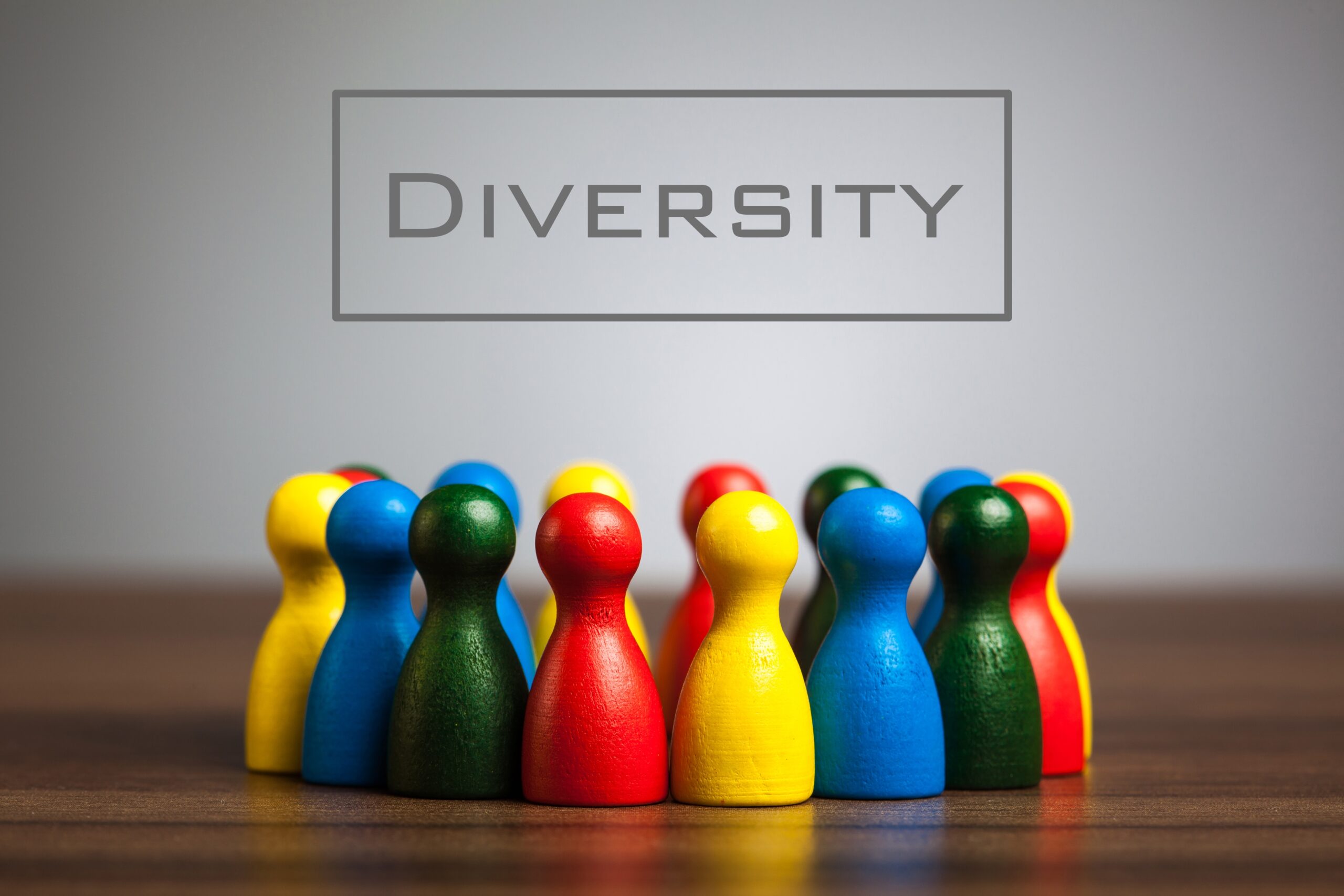
Unconscious bias in the workplace can often be an invisible force that shapes decisions, communication, and overall team dynamics without people even realising it. While diversity and inclusion have been hot topics in corporate environments for years, unconscious bias is still a challenge many organisations face today. Recognising and addressing unconscious bias in your team is essential for creating an inclusive environment where every individual feels valued and respected, no matter their background, gender, race, or other characteristics.
In this blog post, we will explore what unconscious bias is, how it manifests in the workplace, the potential impacts it can have on your team, and most importantly, how to address unconscious bias effectively. We will also highlight management training options, such as neurodiversity management training, to help leaders combat unconscious bias and promote a more inclusive work culture.
What is Unconscious Bias?
Unconscious bias, also known as implicit bias, refers to the automatic, unintentional judgements or stereotypes we hold about people based on characteristics such as race, gender, age, disability, or social background. These biases often influence our decisions and actions without us realising it, and can affect everything from hiring practices to everyday interactions in the office.
These biases are formed through life experiences, cultural influences, and societal stereotypes. As a result, they can lead to unfair treatment and decision-making that may favour one group over another, despite intentions to be fair. The issue with unconscious bias is that it’s difficult to detect and address since individuals are typically unaware of their own biases.
Types of Unconscious Bias
There are several types of unconscious bias that can affect decision-making and behaviour in the workplace. Some of the most common include:
1. Affinity Bias
Affinity bias occurs when we favour people who are similar to ourselves in terms of interests, backgrounds, or characteristics. For example, if a manager tends to hire people with similar hobbies or educational backgrounds, they may inadvertently exclude candidates who bring different perspectives.
2. Gender Bias
Gender bias refers to the unconscious association between specific roles and genders. For instance, a manager might unconsciously favour male candidates for leadership positions, assuming that women may be less suited for such roles.
3. Racial Bias
Racial bias involves making assumptions or judgements based on someone’s race or ethnicity. In the workplace, racial bias can impact hiring decisions, promotions, and how employees are treated, with certain racial groups being unfairly disadvantaged.
4. Age Bias
Age bias can result in stereotypes based on age, such as assuming older workers lack technological skills or that younger workers lack experience. This bias can lead to discrimination in hiring, promotion, and retention.
5. Confirmation Bias
Confirmation bias happens when we seek out information that supports our pre-existing beliefs and ignore information that contradicts them. In a workplace context, this can influence the way we evaluate employees, leading to unfair evaluations or missed opportunities for growth.
6. Attribution Bias
Attribution bias is when we make assumptions about why people behave the way they do. For example, we might attribute a male employee’s success to skill and a female employee’s success to luck, reinforcing gender stereotypes.
Why Is Unconscious Bias a Problem?
Unconscious bias can have significant consequences in the workplace, affecting everything from hiring practices to team collaboration. Here are some of the key reasons why it is essential to address unconscious bias in your team:
1. Impact on Diversity and Inclusion
When unconscious biases influence hiring decisions, promotions, or team dynamics, it can limit diversity within the organisation. Without diversity of thought, experience, and background, teams may struggle to innovate and solve problems effectively. Diverse teams are known to be more creative and generate better results, which is why addressing unconscious bias is so critical to organisational success.
2. Decreased Employee Engagement
Employees who feel discriminated against or overlooked due to unconscious bias may experience lower levels of engagement, job satisfaction, and morale. They may feel that their contributions aren’t valued, leading to high turnover rates and a toxic work environment. Research has shown that an inclusive culture, where unconscious bias is acknowledged and addressed, leads to higher employee retention, greater commitment, and a better overall atmosphere.
3. Poor Decision-Making
Unconscious bias can cloud judgement, leading to poor decision-making. For example, managers might favour employees they are more comfortable with, even if they aren’t the best fit for a role, resulting in missed opportunities and inefficiencies. A team led by biased decision-makers may make choices that harm productivity and morale, as well as lead to stagnation in talent development.
4. Legal and Ethical Risks
In some cases, unconscious bias can lead to discrimination claims, especially when hiring, firing, or promotion practices are not based on merit or fairness. Companies may face legal repercussions if they don’t take steps to address biases in their processes. Ensuring a bias-free workplace not only enhances inclusivity but also reduces the risk of lawsuits related to discrimination or unequal treatment.
How to Recognise Unconscious Bias in Your Team
The first step in addressing unconscious bias is recognising it. However, because unconscious bias is subtle and often goes unnoticed, it can be challenging to identify. Below are some strategies for spotting unconscious bias within your team.
1. Audit Hiring and Promotion Practices
Review your recruitment, hiring, and promotion processes to identify patterns of bias. Are certain groups being overlooked or passed over for promotions? Is there evidence that diversity is not being considered in hiring? Conducting an audit of your hiring data can reveal whether unconscious bias is playing a role in these decisions. This can be complemented with the use of AI-driven recruitment tools designed to reduce bias and encourage objective hiring decisions.
2. Listen to Employee Feedback
Create an environment where employees feel comfortable discussing issues related to unconscious bias. Regularly gather feedback through surveys or open forums, and look for patterns in the responses. If employees of a certain demographic feel excluded or undervalued, this could be an indicator of bias.
3. Monitor Team Dynamics
Observe team interactions to identify signs of bias. Are some team members excluded from discussions or decision-making processes? Is there an unequal distribution of work or praise? Regularly assess team dynamics and take action to address any imbalances.
4. Encourage Self-Reflection
Encourage team members to engage in self-reflection and be aware of their own potential biases. This can be done through workshops, training sessions, and activities designed to help employees become more self-aware and identify their unconscious biases.
How to Address Unconscious Bias
Addressing unconscious bias is a multi-step process that requires effort at both the individual and organisational levels. Here are some strategies that can help combat unconscious bias in your team:
1. Implement Unconscious Bias Training
One of the most effective ways to address unconscious bias is through education. Management training programmes, such as neurodiversity management training, can help employees and leaders identify and understand their biases. This training should focus on how unconscious bias manifests, its impact on the workplace, and practical steps for reducing its influence.
For example, neurodiversity management training focuses on creating an inclusive environment for individuals with neurodiverse conditions such as autism, ADHD, and dyslexia. This type of training can help managers understand how to support neurodiverse team members and ensure that bias does not prevent these individuals from reaching their full potential.
2. Promote Inclusive Leadership
Leaders have a critical role to play in creating an inclusive workplace. Leaders should model inclusive behaviours, demonstrate cultural competence, and actively work to ensure all team members have an equal opportunity to contribute. Training leaders to recognise and address their own unconscious biases is essential for promoting a positive, inclusive culture across the organisation.
3. Revise Recruitment and Evaluation Processes
Review your recruitment, hiring, and performance evaluation processes to eliminate potential biases. For example, consider using blind recruitment, where the personal details (such as names, gender, and ethnicity) of candidates are removed from CVs to ensure that decisions are based solely on qualifications and experience.
Additionally, ensure that performance evaluations are based on objective criteria rather than subjective impressions. Encourage managers to assess employees using measurable goals and to avoid making decisions based on personal affinity or biases.
4. Foster Open Communication and Feedback
Creating an open environment where team members feel comfortable discussing issues of bias and discrimination is essential for addressing unconscious bias. Encourage dialogue, provide regular feedback, and support employees who may feel that they have been treated unfairly due to unconscious bias. Addressing bias should not be a one-time event but a continuous process of evaluation and improvement.
5. Diversify Your Team
One of the most powerful ways to reduce unconscious bias is by diversifying your team. Diversity brings new perspectives, reduces homogeneity, and helps break down stereotypes. Having diverse teams allows individuals to challenge their biases and fosters an environment where everyone feels included.
Conclusion
Addressing unconscious bias in the workplace is crucial for creating a fair, inclusive, and productive environment. While unconscious bias may be difficult to identify and confront, it is essential for organisations to take proactive steps to recognise, address, and eliminate it. By offering management training, promoting inclusive leadership, and revising recruitment practices, organisations can begin to tackle unconscious bias at its core.
Implementing unconscious bias training, such as neurodiversity management training, is an essential part of building a culture of inclusion where all team members feel respected and valued. Ultimately, addressing unconscious bias leads to better decision-making, improved employee satisfaction, and a more innovative, diverse workforce.
Moreover, tools like the Harvard Implicit Association Test provide a simple and practical way for employees and leaders to assess their own biases and begin the process of personal reflection.
Organisations that prioritise recognising and addressing unconscious bias are not only creating a more equitable workplace but also fostering a culture of growth, respect, and long-term success.
Remember, unconscious bias is something everyone experiences, but recognising and addressing it is what leads to positive change. By implementing the strategies discussed in this blog, you can take the first step towards creating a truly inclusive environment that benefits all employees. If you are wanting further training on unconscious bias we offer Management Training where we cover different topics such as addressing unconscious bias, managing conflict, different leadership styles and more. If you are interested head over to our page and get in contact.