Multiculturalism Day: Embracing Diversity in Every Space
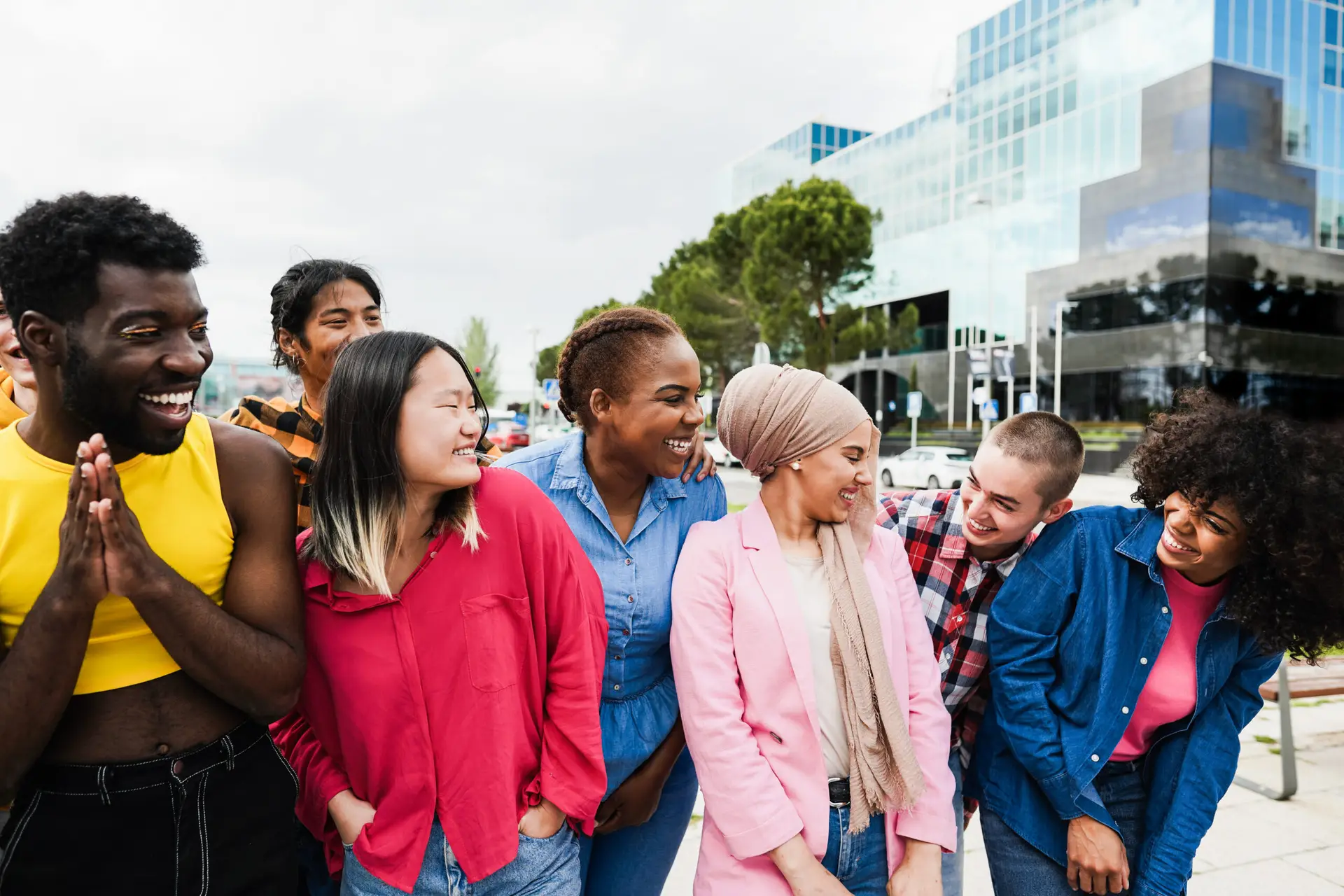
Each year, Multiculturalism Day reminds us of the power and beauty of diversity. It’s a day to reflect on the many cultures that shape our society and to acknowledge the importance of inclusion in our everyday lives. Multiculturalism is not just about recognising differences—it’s about celebrating them, learning from them, and creating environments where all cultures feel valued.
In today’s increasingly globalised world, the concept of multiculturalism is more important than ever. It influences how we live, how we work, and how we connect with one another. At Qualia Academy, we believe that inclusivity is the foundation of strong leadership and healthy workplace culture. That’s why we offer targeted management training to help organisations embrace multiculturalism and implement it in meaningful, practical ways.
What is Multiculturalism?
Multiculturalism is the peaceful co-existence and mutual respect among people from different cultural backgrounds. It involves acknowledging and valuing the cultural, ethnic, linguistic, and religious differences within a society. Rather than expecting everyone to conform to one way of life, multiculturalism promotes the idea that diversity is something to be embraced, not erased.
In practice, this means encouraging individuals to retain their cultural identities while participating fully in the broader social or professional environment. It means making space for different traditions, perspectives, and ways of thinking. Multiculturalism enriches society by fostering greater understanding and appreciation of the world’s many cultures.
Why Multiculturalism Matters
Multiculturalism plays a vital role in building inclusive, dynamic, and forward-thinking societies. When cultural diversity is respected and nurtured, it contributes to social cohesion, personal growth, and national prosperity. People are more likely to feel a sense of belonging when their identity is recognised and celebrated.
It also fuels creativity and innovation. When individuals from different backgrounds collaborate, they bring a wider range of ideas and experiences to the table. This cross-pollination of perspectives leads to better problem-solving, more creative outcomes, and a stronger capacity to adapt to change.
Moreover, multiculturalism promotes empathy. Engaging with different cultures encourages us to see the world through other people’s eyes, reducing prejudice and promoting unity. It helps to break down stereotypes and fosters a deeper understanding of both the differences and commonalities that connect us as human beings.
The Role of Multiculturalism in the Workplace
Modern workplaces are becoming more multicultural than ever before. Whether through international hiring, global collaboration, or diverse local communities, companies are working with people from a variety of cultural backgrounds. This cultural diversity can be an incredible asset—if it’s understood and nurtured effectively.
A multicultural workplace brings with it an expanded range of skills, experiences, and worldviews. Employees from different cultures often bring unique problem-solving approaches, creative ideas, and ways of thinking that enhance innovation. Additionally, multicultural teams are better equipped to connect with global markets and serve diverse customer bases.
However, the presence of multiculturalism alone doesn’t guarantee inclusion. Without conscious effort, cultural differences can lead to misunderstandings, miscommunication, or even exclusion. For multiculturalism to thrive in the workplace, organisations must adopt inclusive practices and ensure that every employee feels valued and respected, regardless of their background.
This means creating an environment where cultural differences are not merely tolerated, but welcomed. It also involves rethinking workplace policies, communication styles, and leadership strategies to ensure they reflect a truly inclusive culture.
Understanding Inclusive Leadership
Inclusive leadership is about more than simply supporting diversity—it’s about actively creating space for all team members to contribute, grow, and feel valued. Leaders who practise inclusivity understand the importance of listening, learning, and adapting to meet the needs of diverse individuals.
They recognise that every team member brings something unique to the table, and they work to foster an atmosphere of respect and collaboration. Inclusive leaders also take the time to educate themselves on cultural differences, challenge their own biases, and seek to understand experiences outside of their own.
This leadership style is especially important in multicultural teams, where differences in communication, decision-making, and working styles can affect collaboration. A strong inclusive leader is able to navigate these complexities with empathy and clarity, creating a workplace where everyone has an equal opportunity to succeed.
By building trust and demonstrating respect for all cultural identities, inclusive leaders strengthen team cohesion, morale, and performance.
Creating a Culturally Inclusive Work Environment
Building an inclusive workplace culture requires commitment at every level of an organisation. It starts with creating an environment where people feel comfortable sharing their cultural backgrounds and perspectives. This openness encourages dialogue, builds mutual respect, and strengthens team bonds.
Cultural awareness training can be a powerful tool to support this. When employees understand the values, traditions, and communication styles of different cultures, they are better equipped to work together harmoniously. It also helps to reduce unconscious bias, which can unintentionally affect decisions and behaviours in the workplace.
Inclusion also means making practical adjustments that support multicultural needs. This can involve recognising a variety of cultural holidays, offering flexible scheduling for religious observances, or allowing for culturally appropriate dress. These actions send a clear message that all cultures are respected and welcome.
Representation is another crucial factor. When employees from underrepresented cultures see themselves reflected in leadership positions, it creates a sense of possibility and fairness. It also ensures that decision-making includes a variety of cultural perspectives, which leads to better outcomes for the organisation as a whole.
How Qualia Academy Champions Multicultural Inclusion
At Qualia Academy, we recognise that inclusive leadership doesn’t happen by accident—it’s built through education, reflection, and action. That’s why we’ve designed a range of management training programme specifically tailored to support multicultural understanding and inclusion in the workplace.
Our training goes beyond surface-level diversity. We focus on helping leaders and teams understand the deeper aspects of culture—such as communication styles, power distance, and cultural values—and how these influence working relationships. By increasing cultural intelligence, our programmes empower managers to lead with greater confidence and empathy in multicultural environments.
We also work closely with organisations to design bespoke training that reflects their unique needs. Whether your team is just beginning its diversity and inclusion journey or looking to deepen existing practices, our programme offer the tools and insights needed to make meaningful progress.
Participants leave our sessions with actionable strategies for inclusive communication, bias reduction, and cultural sensitivity. Most importantly, they gain a renewed understanding of the power of multiculturalism and how it can elevate both individual performance and team success.
Why Multiculturalism Training is a Business Imperative
In today’s interconnected world, businesses can’t afford to ignore multiculturalism. As teams become more global and customer bases more diverse, companies must be able to navigate cultural differences with agility and respect.
Training that focuses on multicultural inclusion is no longer just a “nice to have”—it’s a strategic advantage. It helps organisations attract and retain top talent, connect authentically with clients, and foster a workplace culture where everyone feels empowered to contribute.
The impact of such training is tangible. Teams that understand and embrace multiculturalism communicate more clearly, collaborate more effectively, and experience fewer conflicts. Employees feel more engaged and committed, and the organisation benefits from a broader range of ideas, experiences, and solutions.
When multiculturalism is embedded into the way an organisation operates, it becomes part of its DNA—leading to stronger, more resilient, and more compassionate workplaces.
Honouring Multiculturalism Day
Multiculturalism Day is the perfect occasion for companies to reaffirm their commitment to diversity and inclusion. It’s a chance to celebrate the cultural richness within your team and to open up conversations about identity, respect, and belonging.
Celebrations might include hosting cultural storytelling sessions, encouraging employees to share traditions, or offering educational workshops on cultural awareness. But beyond the day itself, the real goal is to keep the spirit of multiculturalism alive throughout the year.
This can be achieved by embedding inclusive practices into recruitment, performance reviews, team building, and leadership development. It’s about creating a workplace where multiculturalism is not a one-off event, but a core value that informs how people treat one another every day.
Moving Forward Together
Multiculturalism offers us the chance to build communities and organisations that reflect the full richness of human experience. It challenges us to grow beyond our own perspectives and to see value in the experiences of others. When embraced with intention and care, multiculturalism has the power to transform workplaces, strengthen communities, and build a more inclusive world.
At Qualia Academy, we are proud to support organisations in this journey. Through our tailored management training, we equip leaders with the tools to lead with empathy, build inclusive cultures, and fully realise the benefits of multicultural teams.
So as we celebrate Multiculturalism Day, let’s make a commitment—not just to honouring diversity for one day, but to building a future where every culture is welcomed, respected, and empowered to thrive.