

What is National Crown Day?
National Crown Day, celebrated annually on July 3rd, is a day dedicated to the celebration and recognition of Black hair and the fight against hair discrimination. The day stems from the CROWN Act (Creating a Respectful and Open World for Natural Hair), an act that aims to end discrimination based on hair texture and protective hairstyles in workplaces and schools. The CROWN Act was first introduced in 2019, National Crown Day commemorates the passage of this and continues to raise awareness about the cultural significance and beauty of Black hair.
The Significance of National Crown Day
National Crown Day is not just about hair; it’s a celebration of identity, culture, and resistance. Black hair has always been more than just a physical characteristic; it’s a symbol of heritage, pride, and strength. For centuries, Black individuals have faced systemic discrimination and cultural stigmatisation because of their natural hair. This day is a reminder of the ongoing struggle against such prejudices and a celebration of the strides made toward inclusivity and acceptance.
Stigma and Challenges Surrounding Black Hair
The stigma against Black hair persists today, manifesting in various forms of discrimination and microaggressions.
In the Workplace
In the workplace, Black employees often face pressures to conform to Eurocentric beauty standards, which typically favour straightened hair over natural styles. This can result in biased hiring practices, unequal treatment, and even outright bans on certain hairstyles. For instance, Afro-textured hair, locs, braids, and twists have been deemed “unprofessional” or “unkempt” in many professional settings. These biases can hinder career advancement, as employees who choose to wear their hair naturally may be perceived as less competent or less committed to their roles. The pressure to conform can also lead to significant physical and psychological stress, as employees may spend considerable time and resources on hair treatments to meet these standards. Moreover, workplace policies that discriminate against natural Black hairstyles can create a hostile environment, fostering a culture of exclusion and marginalisation.
In Public
Social events and public spaces are no different. Black individuals frequently encounter unsolicited comments and intrusive questions about their hair. These microaggressions reinforce the idea that Black hair is “other” and not normal. For example, questions like “Can I touch your hair?” or statements like “Someone had a bad hair day” can be offensive and demeaning. These interactions often stem from curiosity or ignorance but can make individuals feel objectified and alienated. The scrutiny of Black hair in public spaces can also lead to anxiety and self-consciousness, as individuals may feel pressured to conform to societal expectations. Furthermore, the portrayal of Black hair in media and advertising often lacks diversity, perpetuating stereotypes and limiting the representation of natural Black beauty.
Hair Discrimination in Schools
Schools have also been battlegrounds for hair discrimination. There have been numerous instances where Black students have been reprimanded, suspended, or even barred from participating in school activities because of their natural hair or protective styles. These discriminatory practices not only affect the students’ self-esteem but also their educational experience and sense of belonging. For young students, such experiences can have lasting impacts on their identity and confidence, reinforcing harmful notions of inferiority. Additionally, school policies that target natural Black hairstyles can discourage cultural expression and perpetuate systemic racism.
Celebrating Black Hair: Styles and Their Meanings
Black hair is incredibly versatile, allowing for a wide array of styles that reflect personal expression, cultural heritage, and practical considerations. Here are some common styles and their significance:
Afros: Wearing an Afro is a powerful statement of embracing natural texture and rejecting societal pressures to conform. The Afro became a symbol of the Black Power movement in the 1960s and 70s, representing pride and resistance.
Braids: Braids come in many forms, including box braids, cornrows, and Fulani braids. Braids were used to convey social status and identity. Today, they are a popular protective style that allows for creativity and practicality. During the transatlantic slave trade, enslaved Africans often used cornrows as a discreet method of communication and survival. Cornrows were used to map escape routes from plantations or to hide seeds and grains for sustenance during escapes.
Locs (Dreadlocks): Locs have deep cultural and spiritual significance in many African and Caribbean cultures. They symbolise a connection to one’s roots and natural state. Despite their cultural importance, locs have often been stigmatised and misunderstood in Western societies.
Twists: Two-strand twists and other twisting styles are protective and versatile. They can be worn as a standalone style or as a base for more elaborate looks.
Bantu Knots: This traditional African hairstyle involves sectioning the hair and twisting it into small, coiled buns. Bantu knots are both functional and fashionable, reflecting a rich cultural heritage.
Protective Styles: Protective styles like wigs, weaves, and extensions are popular for their versatility and ability to shield natural hair from damage. These styles also allow individuals to experiment with different looks without altering their natural hair.
Moving Forward: Embracing and Celebrating Black Hair
National Crown Day is an opportunity to honour the resilience and beauty of Black hair and to continue the fight against hair discrimination. By celebrating natural hair and protective styles, we can challenge societal norms and promote a more inclusive and accepting world.
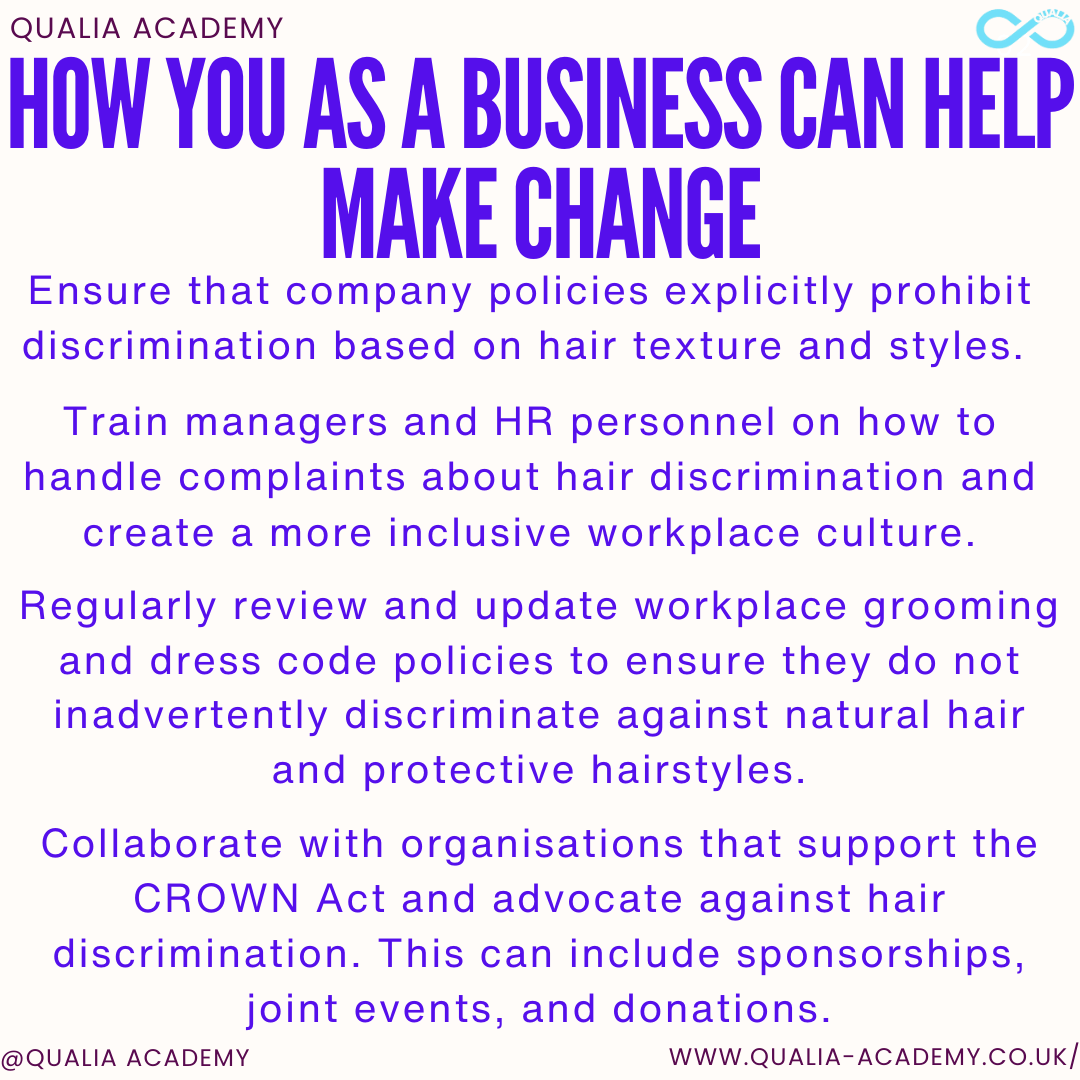
It’s crucial to educate ourselves and others about the cultural significance of Black hair and to recognise the impact of hair discrimination. Support for legislation like the CROWN Act, alongside a commitment to challenging our own biases, can help create environments where Black hair is celebrated rather than stigmatised.
National Crown Day is more than a celebration of hair; it’s a celebration of identity, culture, and progress. As we continue to honour this day, let us work towards a future where everyone can wear their hair with pride, free from discrimination and prejudice.
How to celebrate:
Celebrate Natural Hair
Share Your Story: Use social media platforms to share your personal hair journey and experiences. Use hashtags like #CROWNDay, #CROWNAct, and #NaturalHair to spread awareness.
Showcase Hairstyles: Post pictures and videos of different natural hairstyles, including locs, braids, twists, and Afros, to highlight the beauty and versatility of Black hair.
Wear Your Natural Hair with Pride
Embrace Your Style: Wear your natural hair proudly on National CROWN Day and encourage others to do the same.
Host a Hair Day: Organise a “hair day” at work or within your community where everyone is encouraged to come with their natural hair or try out protective styles.